 Слове́нія
 Ірла́ндія
 Іспа́нія
 Іта́лія
 Австралія
 Австрія
 Албанія
 Аргентина
 Бельгія
 Болгарія
 Боснія і Герцеговина
 Бразилія
 Греція
 Данія
Данія
 Естонія
 Канада
 Колумбія
 Ла́твія
 Литва́
 Люксембу́рг
 Мексика
 Молдова
 Нова Зеландія
 Норвегія
 Нідерланди
 Німеччина
 По́льща
 Португа́лія
 Південна Африка
 Північна Македонія
 Руму́нія
 Сербія
 Слова́ччина
 Сполучене Королівство
 Сполучені Штати Америки
 Туреччина
 Уго́рщина
 Україна
 Фра́нція
 Філіппіни
 Фінля́ндія
 Хорватія
 Че́ська Респу́бліка
 Чилі
Чилі
 Чорногорія
 Шве́ція
 Швейцарія



Gustav Mahler

Gustav Mahler
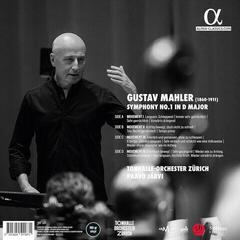
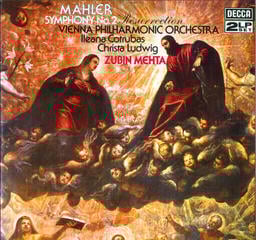
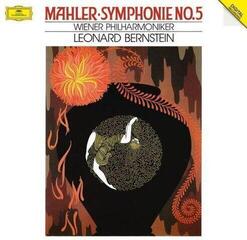
Gustav Mahler (7 July 1860 – 18 May 1911) was an Austro-Bohemian composer and conductor who played a key role in bridging the 19th-century Austro-German tradition with early 20th-century modernism. Though widely recognized during his lifetime as one of the leading conductors of his generation, his compositions only achieved lasting international acclaim after World War Two, following years of neglect and bans during the Nazi era.
Born in Bohemia to Jewish parents, Mahler showed musical talent from an early age and graduated from the Vienna Conservatory. He went on to hold influential conducting positions across Europe, most notably as director of the Vienna Court Opera, where he was known for his innovative stage productions and high standards. He also spent time in New York directing both the Metropolitan Opera and the Philharmonic.
Mahler's compositions, mostly large-scale symphonies and vocal works, were often controversial and slow to gain acceptance, but are now central to the orchestral repertoire. His music has inspired later composers such as Arnold Schoenberg, Alban Berg, Anton Webern, Dmitri Shostakovich, and Benjamin Britten. Today, Mahler remains one of the most frequently performed and recorded composers, celebrated for his emotional depth and orchestral mastery.