 Слове́нія
 Ірла́ндія
 Іспа́нія
 Іта́лія
 Австралія
 Австрія
 Албанія
 Аргентина
 Бельгія
 Болгарія
 Боснія і Герцеговина
 Бразилія
 Греція
 Данія
Данія
 Естонія
 Канада
 Колумбія
 Ла́твія
 Литва́
 Люксембу́рг
 Мексика
 Молдова
 Нова Зеландія
 Норвегія
 Нідерланди
 Німеччина
 По́льща
 Португа́лія
 Південна Африка
 Північна Македонія
 Руму́нія
 Сербія
 Слова́ччина
 Сполучене Королівство
 Сполучені Штати Америки
 Туреччина
 Уго́рщина
 Україна
 Фра́нція
 Філіппіни
 Фінля́ндія
 Хорватія
 Че́ська Респу́бліка
 Чилі
Чилі
 Чорногорія
 Шве́ція
 Швейцарія



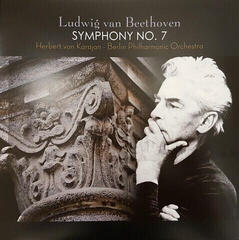
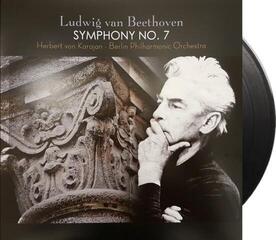
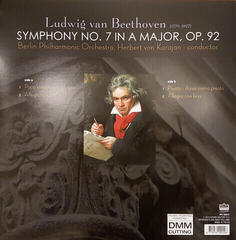
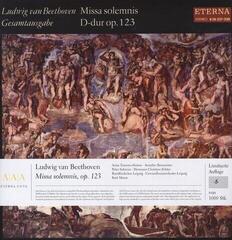
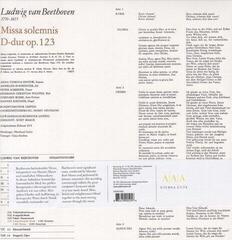
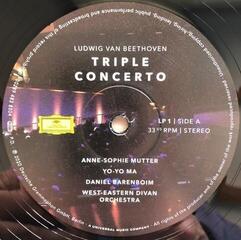
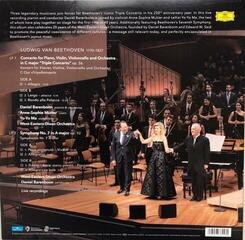
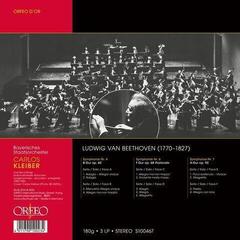
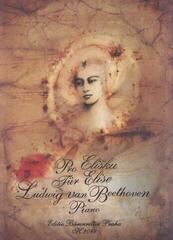
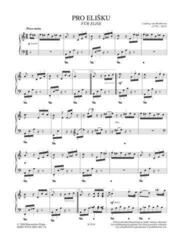
Ludwig van Beethoven

Ludwig van Beethoven
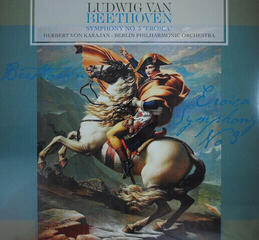
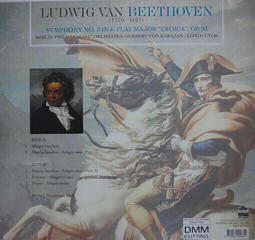
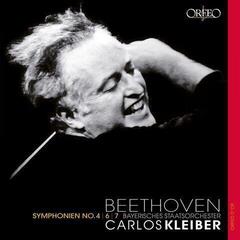
Ludwig van Beethoven was a German composer and pianist, born in Bonn in 1770 and active mainly in Vienna. Recognized as one of the most influential figures in Western classical music, his works marked the transition from the Classical to the Romantic era. Beethoven’s career is often divided into three periods: an early phase influenced by Haydn and Mozart, a bold and innovative middle period often called “heroic,” and a late period known for its profound expression and unique forms. Despite progressive hearing loss, which led to almost total deafness by midlife, he created groundbreaking symphonies, piano sonatas, chamber music, and his only opera, Fidelio. Major works include his nine symphonies, especially the Fifth and Ninth, the “Emperor” Piano Concerto, and the late string quartets. Beethoven died in 1827, leaving a legacy that continues to shape classical music.