 Слове́нія
 Ірла́ндія
 Іспа́нія
 Іта́лія
 Австралія
 Австрія
 Албанія
 Аргентина
 Бельгія
 Болгарія
 Боснія і Герцеговина
 Бразилія
 Греція
 Данія
Данія
 Естонія
 Канада
 Колумбія
 Ла́твія
 Литва́
 Люксембу́рг
 Мексика
 Молдова
 Нова Зеландія
 Норвегія
 Нідерланди
 Німеччина
 По́льща
 Португа́лія
 Південна Африка
 Північна Македонія
 Руму́нія
 Сербія
 Слова́ччина
 Сполучене Королівство
 Сполучені Штати Америки
 Туреччина
 Уго́рщина
 Україна
 Фра́нція
 Філіппіни
 Фінля́ндія
 Хорватія
 Че́ська Респу́бліка
 Чилі
Чилі
 Чорногорія
 Шве́ція
 Швейцарія



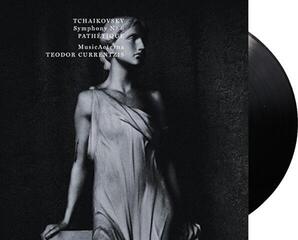
Tchaikovsky

Tchaikovsky
Pyotr Ilyich Tchaikovsky (1840–1893) was a leading Russian composer of the Romantic era whose music achieved lasting international acclaim. He is celebrated for creating some of classical music’s most beloved works, including the ballets Swan Lake and The Nutcracker, the 1812 Overture, the First Piano Concerto, the Violin Concerto, Romeo and Juliet Overture-Fantasy, several symphonies, and the opera Eugene Onegin.
Educated initially for a civil service career due to limited musical opportunities in Russia, Tchaikovsky became one of the first graduates of the Saint Petersburg Conservatory. His Western-influenced training set him apart from the Russian nationalist composers of his time, and he developed a unique style blending Russian traditions with European forms.
Tchaikovsky’s personal life was marked by struggles, including bouts of depression, difficult relationships, and the challenge of living with a concealed homosexuality. Despite these hardships, he produced music of emotional depth and lasting appeal. While early reactions to his work were mixed, with both Russian and European critics questioning his stylistic approaches, today Tchaikovsky is regarded as one of the most influential and popular composers in classical music history.